If You Drool While Sleeping Often, Check for These 6 Diseases
First, What Causes Drooling During Sleep?
Drooling happens when saliva builds up in your mouth and escapes through your lips. During sleep, your muscles relax—including those that control swallowing. For most people, this is normal and harmless.
But when drooling becomes frequent or excessive, it may indicate that something is interfering with your ability to swallow or keep your mouth closed during sleep.
6 Diseases and Conditions Linked to Nighttime Drooling
1. Sleep Apnea
This is one of the most common and serious causes of nighttime drooling.
What it is: Sleep apnea causes repeated pauses in breathing throughout the night. Your airway becomes blocked or collapses, forcing you to gasp for air.
Why it causes drooling: To breathe, you may unconsciously shift to mouth breathing, which allows saliva to escape. The struggle to breathe also disrupts normal swallowing.
Other signs:
Loud snoring
Gasping or choking sounds during sleep
Daytime fatigue
Morning headaches
Difficulty concentrating
What to do: See a sleep specialist. Sleep apnea is treatable with CPAP machines, oral appliances, or lifestyle changes.
2. GERD (Gastroesophageal Reflux Disease)
What it is: Stomach acid flows back into your esophagus, especially when lying down.
Why it causes drooling: Acid reflux triggers increased saliva production as your body tries to neutralize the acid. This excess saliva can lead to drooling.
Other signs:
Heartburn
Sour taste in mouth upon waking
Chest pain
Chronic cough
Hoarseness
What to do: Talk to your doctor about acid-reducing medications and lifestyle changes like avoiding late meals.
3. Allergies and Sinus Issues
What they are: Chronic allergies, sinus infections, or nasal congestion.
Why they cause drooling: Blocked nasal passages force you to breathe through your mouth at night. Mouth breathing allows saliva to escape more easily.
Other signs:
Stuffy or runny nose
Sneezing
Itchy eyes
Post-nasal drip
Snoring
What to do: Treat underlying allergies with antihistamines, nasal sprays, or allergy shots. Use a humidifier at night.
4. Neurological Conditions
Several neurological disorders can affect swallowing and muscle control:
Parkinson’s disease – Affects muscle control, including swallowing
Stroke – Can weaken facial muscles and impair swallowing
ALS (Lou Gehrig’s disease) – Progressive muscle weakness
Cerebral palsy – Affects muscle coordination
Why they cause drooling: These conditions can weaken the muscles that control swallowing and keep your mouth closed.
Other signs: Vary by condition but may include difficulty swallowing, slurred speech, muscle weakness, or tremors.
What to do: If you have other neurological symptoms, see a doctor promptly.
5. Enlarged Tonsils or Adenoids
What it is: Enlarged tonsils or adenoids can partially block the airway.
Why it causes drooling: The blockage forces mouth breathing and can interfere with swallowing.
Other signs:
Loud breathing
Snoring
Difficulty swallowing
Frequent sore throats
Ear infections
What to do: An ENT specialist can evaluate and recommend treatment, which may include removal.
6. Dental Issues or Ill-Fitting Dentures
What it is: Dental problems, poorly fitting dentures, or oral appliances.
Why it causes drooling: Dental issues can affect how your mouth closes and how you swallow. Ill-fitting dentures can stimulate excess saliva production.
Other signs:
Difficulty chewing
Mouth sores
Gum pain
Changes in bite
What to do: See your dentist. Properly fitted dental appliances make a significant difference.
Other Factors That Can Cause Nighttime Drooling
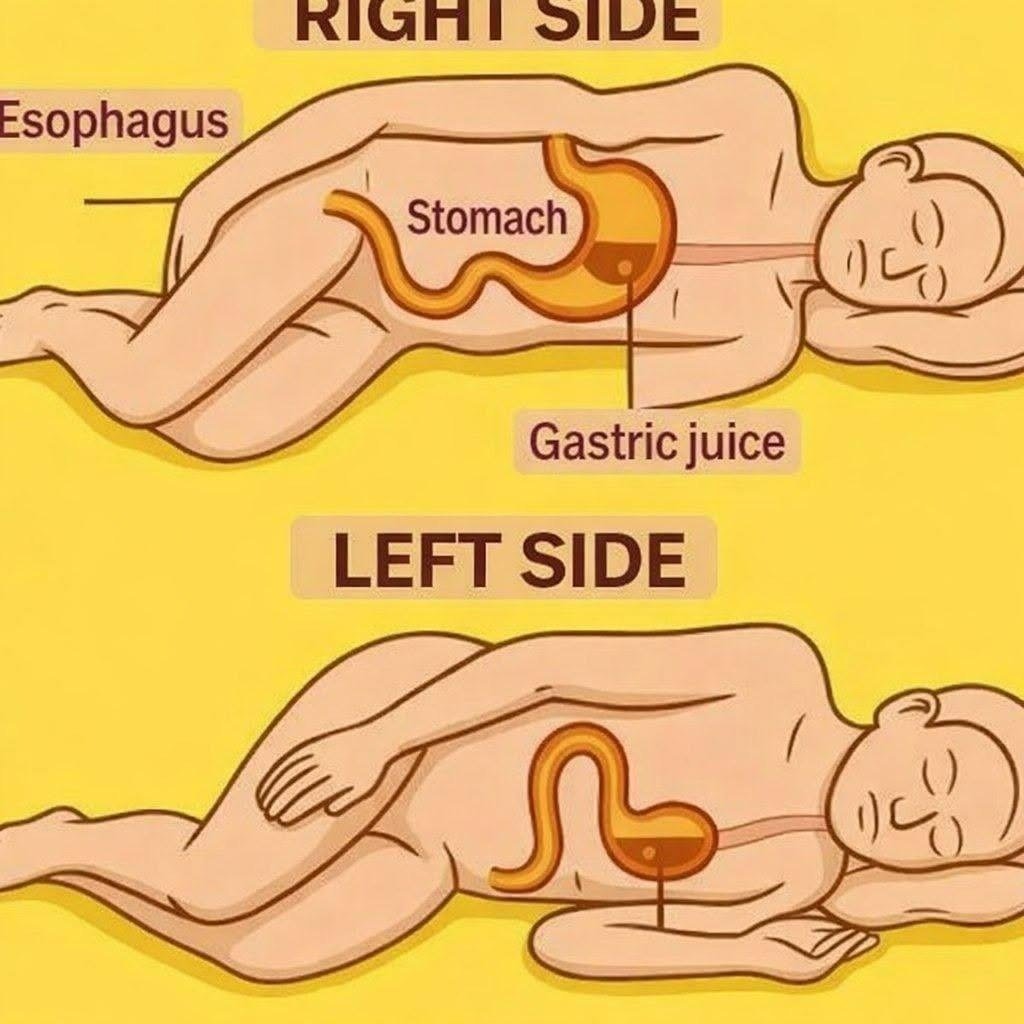
Sleep position – Sleeping on your side or stomach allows gravity to pull saliva out
Medications – Some drugs increase saliva production or cause muscle relaxation
Pregnancy – Hormonal changes can affect saliva production
Aging – Natural changes in muscle tone and swallowing reflex
When to See a Doctor
Make an appointment if:
Drooling is new, frequent, or getting worse
You have other symptoms like snoring, gasping, or daytime fatigue
You notice difficulty swallowing during the day
You have heartburn or acid reflux symptoms
You’re concerned about any neurological symptoms
What You Can Do Right Now
Lifestyle Changes That Help
✅ Sleep on your back – This position minimizes drooling compared to side or stomach sleeping
✅ Treat allergies – Use antihistamines or nasal sprays to keep nasal passages clear
✅ Avoid heavy meals before bed – Especially if you have reflux
✅ Limit alcohol – Alcohol relaxes muscles, including those that control swallowing
✅ Stay hydrated – Dehydration can thicken saliva, paradoxically increasing drooling
Practical Tips
Use a moisture-wicking pillowcase
Keep a glass of water by the bed
Practice good sleep hygiene
The Bottom Line
Occasional drooling is normal—especially if you sleep deeply or in certain positions. But frequent nighttime drooling, especially when accompanied by other symptoms, deserves attention.
Your body is always communicating. Sometimes it’s through loud snoring, sometimes through a damp pillow. Listen to what it’s telling you.
If you’re concerned, see a healthcare provider. Most causes of nighttime drooling are treatable, and addressing them can lead to better sleep, more energy, and improved health.