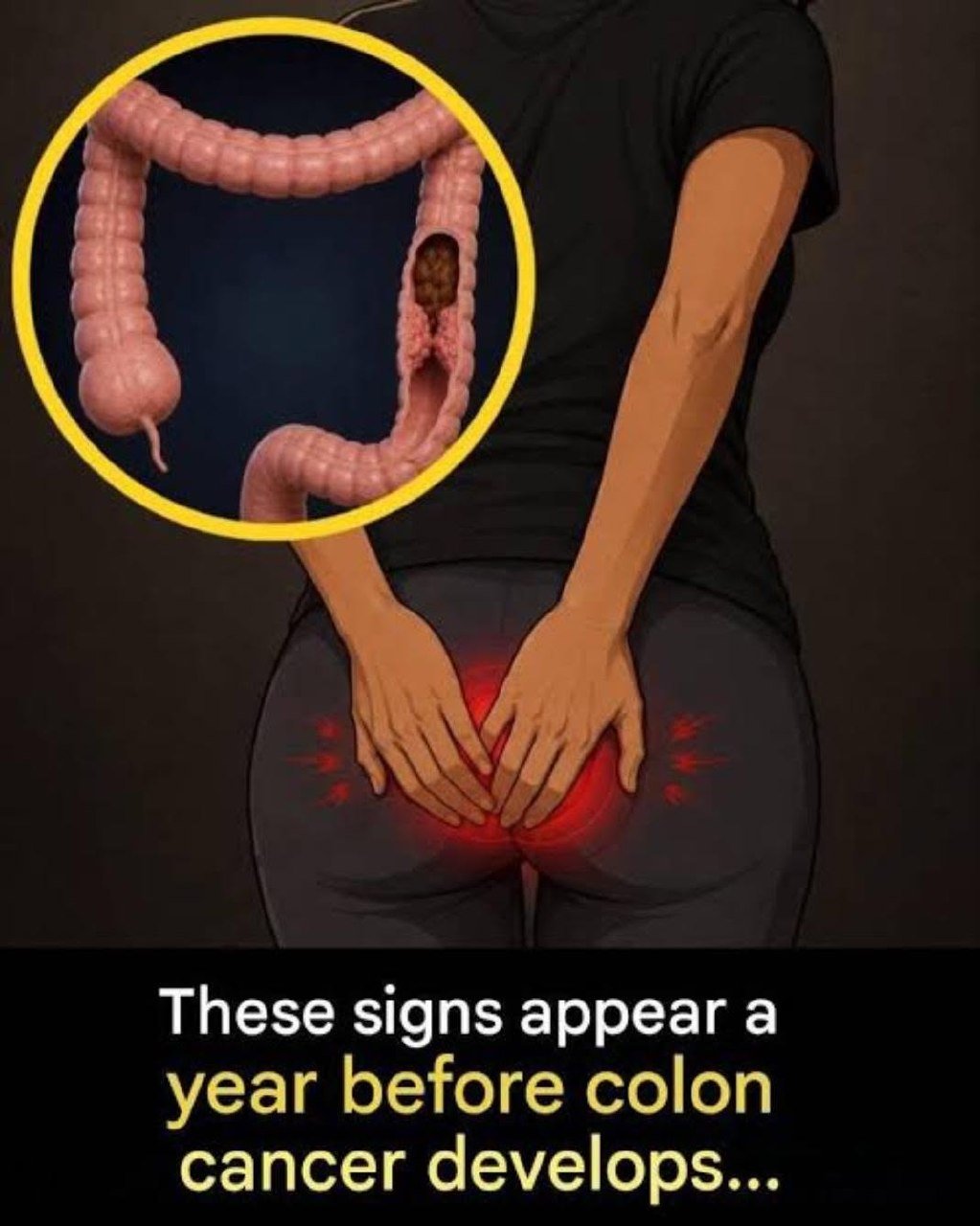
8 warning signs of colon cancer you should never ignore
Screening Recommendations

Fishing
Cooking & Recipes
In the U.S., it’s recommended to start screening for colon cancer at age 45 for those at average risk. Here are some common screening methods:Schedule Health Screenings
- Colonoscopy: This is considered the gold standard for colon cancer screening. During a colonoscopy, a doctor uses a flexible tube with a camera to examine the entire colon and rectum. It allows for the detection and removal of polyps before they become cancerous, and for biopsies of suspicious areas. It’s typically recommended every 10 years for average-risk individuals if no polyps are found.
- Stool Tests: These non-invasive tests look for signs of blood or abnormal DNA in your stool, which can indicate the presence of polyps or cancer. Types include the Fecal Immunochemical Test (FIT), which detects hidden blood, and stool DNA tests (like Cologuard), which look for both blood and cancer-related DNA markers. These tests are typically done annually or every few years, depending on the specific test, and a positive result usually requires a follow-up colonoscopy.