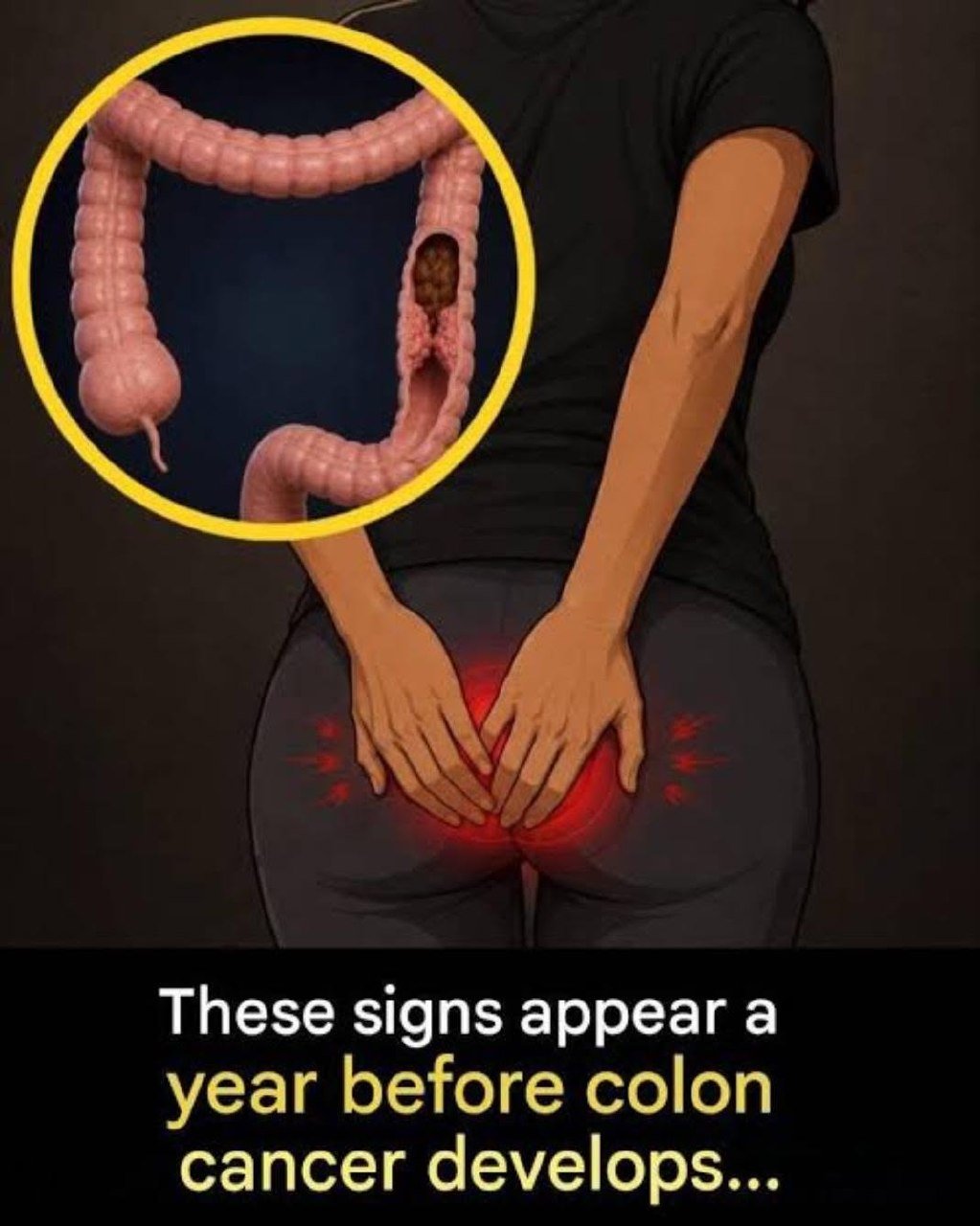
8 warning signs of colon cancer you should never ignore
The development of colon cancer is a multi-step process involving genetic mutations that accumulate in the cells lining the colon. These mutations can lead to uncontrolled cell growth and the formation of polyps. As more mutations occur, the cells within the polyp can become increasingly abnormal, eventually leading to malignancy.
Once cancerous, these cells can invade deeper layers of the colon wall and, if not treated, can spread to nearby lymph nodes and distant organs through the bloodstream and lymphatic system, a process called metastasis. The good news is that if caught early, these polyps can be removed during routine screenings like colonoscopies, effectively preventing cancer from developing or detecting it at a highly treatable stage.