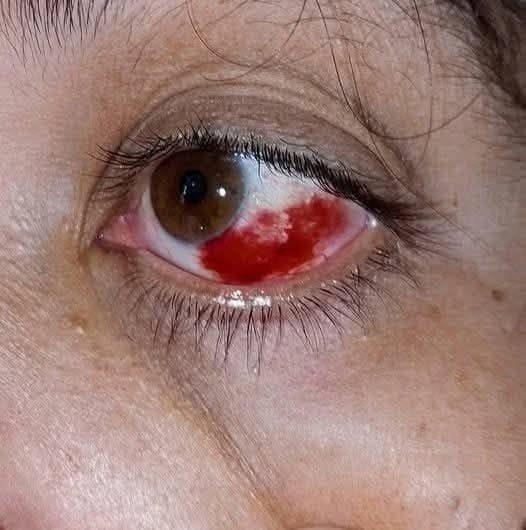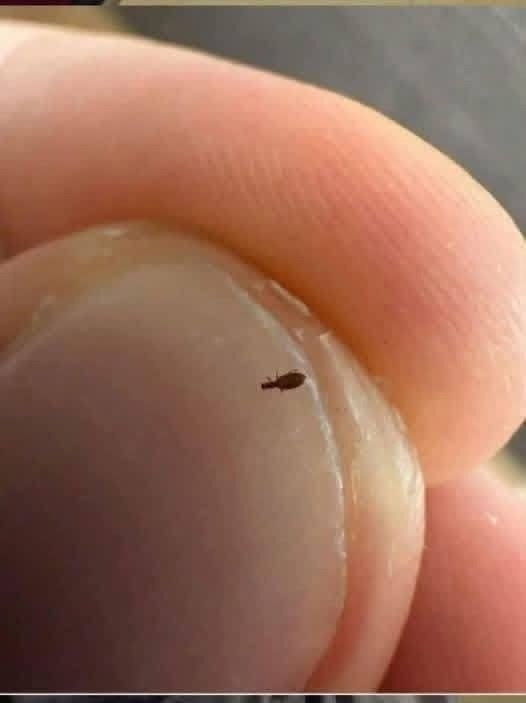
Bug found in my friends hair. What is it?
I Found a Bug in My Friend’s Hair — What Is It?” Here’s What It Could Be
Finding a tiny insect crawling through someone’s hair can be an unsettling experience.
At first glance, it may seem impossible to tell what you’re looking at. Is it a head louse? A harmless outdoor insect? A flea? A tick? Or simply something that happened to land in the hair?
The good news is that not every bug found in hair means there is an infestation.
However, some insects—particularly head lice—can live and reproduce in human hair, so it’s worth taking a careful look before dismissing the discovery.
The key is identification.
The Most Common Possibility: Head Lice
When people discover a tiny insect in someone’s hair, head lice are often the first possibility that comes to mind.
Head lice are small, wingless insects that live on the human scalp and feed on blood. They are adapted specifically to living among human hair.
Adult head lice are generally about the size of a sesame seed, while their eggs, called nits, are much smaller and are attached firmly to individual hairs near the scalp.
Unlike many insects that simply wander through hair, lice are specifically adapted to remain there.
What Do Head Lice Look Like?
Adult head lice can be difficult to spot because they’re small and move quickly.
They are usually grayish or brownish and have six legs.
Their eggs are even easier to confuse with other things.
Nits can resemble dandruff, dirt or dried product, but there is an important difference:
Dandruff generally flakes or brushes away easily, while nits are attached to the hair shaft.
If you’re trying to determine whether your friend has lice, examine the hair close to the scalp under good lighting.
The area behind the ears and near the back of the neck can be particularly useful to inspect.
Does an Itchy Scalp Mean Lice?
Itching is one of the symptoms associated with head lice.
However, not everyone with head lice experiences obvious itching immediately.
Some people may have few symptoms, particularly during an early infestation.
Other possible signs include a crawling sensation, irritation from scratching, or small sores caused by repeated scratching.
That’s why the absence of itching doesn’t completely rule out lice.
At the same time, an itchy scalp doesn’t automatically mean lice.
Dry skin, eczema, allergies, dandruff and other conditions can also cause itching.
It Might Not Be a Louse
This is where things get interesting.
A bug discovered in someone’s hair doesn’t automatically mean the person has head lice.
People spend time outdoors.
Insects can land on clothing and hair.
A small insect can become trapped temporarily and later be discovered during brushing or grooming.
If the insect was found only once and there are no other signs of lice, there may not be an infestation at all.
The appearance and behavior of the insect matter.
Could It Be a Tick?
Ticks can sometimes become attached to people after outdoor exposure.
Unlike lice, ticks are not primarily living in the hair.
A tick may crawl through hair while searching for a place to attach to the skin.
If the insect appears attached to the scalp or skin, particularly after spending time in wooded or grassy areas, it deserves closer attention.
The CDC recommends removing an attached tick promptly with fine-tipped tweezers, grasping it close to the skin and pulling upward with steady pressure.
If you aren’t sure whether something is a tick, don’t guess.
A healthcare professional can help identify it and advise whether additional steps are necessary.
What About Fleas?
Fleas are another possibility, although they are not adapted to permanently living in human hair.
Fleas are tiny, laterally flattened insects known for their jumping ability.
They are commonly associated with animals such as dogs and cats.
If someone has pets and suddenly notices multiple small jumping insects, fleas may be worth considering.
But simply finding one insect in hair isn’t enough to establish a flea infestation.
Other evidence—such as bites or insects in the environment—would make the possibility more convincing.
Could It Be a Bed Bug?
Bed bugs are another insect that people sometimes discover on clothing or belongings.
They generally don’t live in human hair like lice do.
They hide in places such as mattress seams, furniture cracks and other sheltered locations, typically emerging to feed.
So finding a single insect in someone’s hair isn’t strong evidence of a bed bug infestation.
If bed bugs are suspected, the environment should be inspected rather than focusing exclusively on the person’s hair.
What About a Harmless Outdoor Insect?
Sometimes the explanation is much simpler.
A tiny beetle, aphid, plant insect or other outdoor bug can land on someone’s head.
If your friend has recently been gardening, hiking, walking through tall grass or spending time around trees and plants, an accidental visitor is entirely possible.
The insect may have had nothing to do with the person’s scalp.
This is why identification should come before treatment.